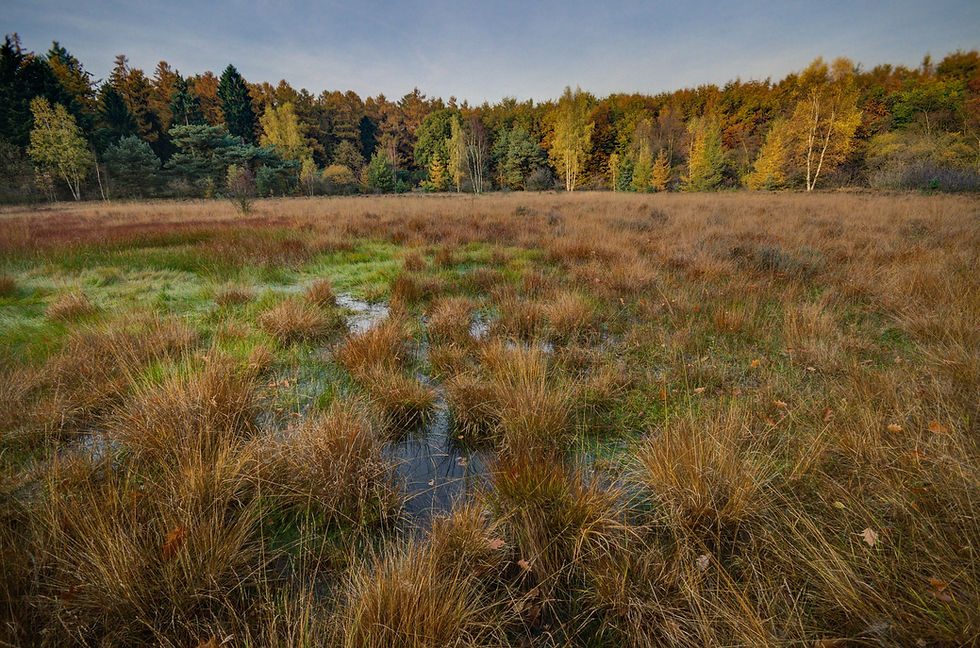
Harare, Zimbabwe
Harare is Zimbabwe’s economic and administrative center and has a population of nearly 2.5 million that continues to double every 12 years. In recent years, Harare has been growing significantly warmer due to a changing climate, with floods and droughts becoming more intense (Brown et al., 2012). The droughts forced the closure of 2 water treatment plants in 2019 and the city has since asked the national government to declare the water crisis a national emergency (Mbugua, 2019).
The city, though built upon and surrounded by several natural wetlands, has been forced to provide a rotational water supply (a type of intermittent water supply) to its residents. The daily water demand is approximately 1,200 Ml, yet the city produced only 450 Ml, leaving it completely unable to match the demand. At the same time, intractable economic crises have significantly hindered infrastructure investments, and the city’s water infrastructure has not been updated since 1994 (Mbugua, 2019).
Although much of Harare’s water infrastructure is antiquated and the water quality is degraded (and continues to deteriorate due to large amounts of wastewater effluent and pollution discharges from urban and agricultural runoff), the national government obtained a $144 million loan in 2011 to upgrade its water infrastructure as well to rehabilitate one of its water treatment plants (Mbugua, 2019). In addition to that $144 million loan, the government took on another loan in 2016 to fund an additional dam outside of Harare, which has yet to be constructed.